Alleluya: A Script Font for Editorial Elegance
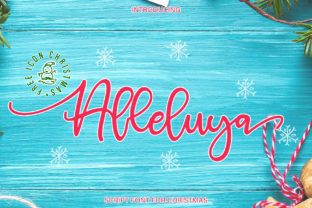
When I was redesigning the header for my lifestyle blog, I needed a font that would stand out without overwhelming the reader. I had been using a standard sans serif for too long, and while it was clean, it lacked personality. That’s when I discovered Alleluya, a Script Handwritten Fonts family that immediately caught my eye with its bold script and unique icon set. It wasn’t just another decorative typeface—it felt like a conversation between the designer and the reader.
Alleluya for Lifestyle Blog Headers and Brand Identity
I first tested Alleluya on the blog’s main header. The bold script brought an immediate sense of warmth and sophistication, perfectly matching the blog’s focus on personal growth and self-care. Unlike many script fonts that can feel too ornate or difficult to read, Alleluya strikes a balance between elegance and clarity. Its rhythm feels natural, as if the letters are dancing across the page rather than being forced into place.
The included icons added a subtle visual interest that didn’t distract from the content. I used them sparingly in the navigation bar and social media links, enhancing the design without overpowering the layout. For a Script Handwritten Fonts like Alleluya, this kind of thoughtful use is key—every element should serve the overall brand identity.
Alleluya for Recipe Ebooks and Visual Appeal
A few months later, I was working on a recipe ebook for a local food blogger. The goal was to create something both visually engaging and easy to read. Alleluya became the perfect choice for the title page and chapter openers. Its bold script made the headings pop, while the icons provided a playful touch that aligned with the cookbook’s casual, approachable tone.
For the body text, I paired Alleluya with a clean sans serif font to ensure readability. This contrast allowed the Script Handwritten Fonts to shine in the headers without compromising the legibility of the instructions. I also experimented with different weights and ligatures to add variety, making the ebook feel more dynamic and less monotonous.
Alleluya for Wedding Invitations and Elegant Branding
Another project that benefited from Alleluya was a wedding guide I designed for a small boutique wedding planner. The client wanted something that felt timeless yet modern, with a touch of romance. Alleluya’s elegant script and delicate icons fit seamlessly into the design, creating a cohesive look that conveyed both sophistication and warmth.
Using Alleluya for the invitation templates and event details helped establish a consistent brand identity throughout the guide. The font’s versatility allowed it to work well in both digital and print formats, which was essential for a publication that would be shared across multiple platforms.
Alleluya for Coaching Workbooks and Personalized Design
When I created a coaching workbook for a wellness coach, I knew the font needed to reflect the emotional journey of the content. Alleluya was the ideal choice for the title page and motivational quotes. Its bold script gave the workbook a sense of confidence and strength, reinforcing the message of empowerment.
For the worksheets and exercises, I used a more readable serif font to maintain clarity. This pairing ensured that the Script Handwritten Fonts remained a highlight without overshadowing the practical content. The included icons were especially useful for adding visual cues to key points, making the workbook more engaging and interactive.
Alleluya for Digital Magazines and Printables
Alleluya has also proven to be a valuable asset in digital magazine layouts and printable guides. I recently designed a monthly newsletter for a community garden group, and the font’s visual appeal made the headlines and pull quotes stand out. Its ability to adapt to different screen sizes and resolutions made it a great choice for web design, while its clean lines ensured it looked sharp in print.
One of the best aspects of Alleluya is its multilingual support, which allows it to be used in a wide range of editorial contexts. Whether you’re designing a bilingual newsletter or a global brand guide, the font’s versatility makes it a reliable choice for Script Handwritten Fonts.
Alleluya for Content Branding and Long-Form Reading
When considering Alleluya for long-form content, I found that its readability was impressive. While it’s not the most traditional choice for body text, it works well in sections where a bit of flair is needed. I’ve used it in editorial features and case studies, where the bold script helps draw attention to key points without sacrificing clarity.
Pairing Alleluya with a complementary sans serif or serif font ensures that the Script Handwritten Fonts remains a stylistic element rather than a distraction. This balance is crucial for maintaining a professional yet creative design aesthetic that resonates with readers.
Alleluya for Editorial Design and Font Pairing
As an editorial designer, I’ve come to appreciate how Alleluya enhances the overall design language of any project. Its unique icon set and bold script make it a standout choice for Script Handwritten Fonts that want to leave a lasting impression. When paired with a clean, readable font, it creates a dynamic contrast that keeps the reader engaged.
Before using Alleluya in commercial projects, I always check the included styles, ligatures, and file formats to ensure compatibility with various platforms. Its commercial font licensing makes it a great option for designers who need a premium Script Handwritten Fonts for their clients or products.
In the end, Alleluya isn’t just a font—it’s a tool for storytelling. Whether you’re designing a blog header, a recipe ebook, a wedding guide, or a digital magazine, its bold script and elegant icons offer a unique way to connect with your audience through typography. With the right pairings and thoughtful application, Alleluya can elevate your editorial design and create a memorable reading experience.